When to visit Baguio: weather, crowds and traffic month by month, the rainy season honestly, and which weeks need booking months ahead.
Baguio sits at around 1,500 metres, which is why it has been the country's summer capital for more than a century, and why it is cooler than Manila on almost every day of the year. But the city keeps a calendar of its own: a dry season and a wet one, three big crowd peaks, and a handful of quiet weeks that most visitors never think to aim for.
Two things decide when to come: the weather and the crowds. They mostly pull in opposite directions, so the best time to visit depends on which one you are willing to trade.
The short version
| Season | Months | Weather | Crowds |
|---|---|---|---|
| Cool and dry | November to February | Clear mornings, cold nights, the least rain of the year | Heavy in December and February, lighter in November and late January |
| Warm and dry | March to May | The warmest days, mostly sunny, afternoon storms from late April | Heavy around Holy Week and through the school break |
| Wet | June to October | Monsoon rain, fog, typhoons, and the mountain at its greenest | The lightest of the year, outside long weekends |
If you want one answer: November, the second half of January, and the weeks of March that fall clear of Holy Week give you dry weather without the peak-season crowds.
Month by month
January is the coldest month. The first week still belongs to the New Year crowd; after that the city empties and the skies are usually at their clearest. If you like the cold and dislike queues, this is the sweet spot.
February is cold, dry and the busiest month outside December. Panagbenga, the flower festival, runs all month and builds to its parades over the last two weekends, and Valentine's Day lands in the middle of it.
March warms up and stays dry. It is graduation season in a university city, so restaurants fill on weekends, and Holy Week falls in March in some years — in 2027 it runs from 21 to 28 March. Outside those dates, March is one of the best-kept windows of the year.
April is Baguio's summer: the warmest days, the start of the school break, and Holy Week in the years it falls late. Days are pleasantly warm rather than hot. The city is busy for most of the month.
May stays warm, but afternoon thunderstorms start to build as the rains approach. Weekends stay busy until the schools reopen.
June brings the first steady rain and, once classes resume, one of the quietest stretches of the year.
July, August and September are the heart of the wet season. The southwest monsoon — the habagat — and passing typhoons can bring days of continuous rain, and fog can close in within the hour. These are the cheapest and emptiest months to visit, and the least predictable.
October is still wet and still typhoon season, though the rain usually begins to ease toward the end of the month.
November is when the dry season returns: cool, clear and, apart from the long weekend around All Saints' Day, relatively calm. The city starts dressing for Christmas toward the end of the month. It is arguably the best month of the year to visit.
December is the peak: cold nights, Christmas lights, and the heaviest crowds and traffic of the year from mid-month to New Year's Day. Wonderful if you plan for it — see our guides to Christmas and New Year's Eve in Baguio.
How cold does Baguio actually get?
Cold by Philippine standards, mild by anyone else's. Daytime highs stay in the low to mid twenties Celsius all year. What changes is the nights: from December to February, average lows sit in the low teens, and on clear, windy nights they can drop toward 10°C or below. The coldest temperature ever recorded in the city was 6.3°C, in January 1961.
Two things catch visitors out:
- Most homes and many smaller hotels have no heating. A cold night outside is a cold night inside, so ask whether your room has reliable hot water and extra blankets.
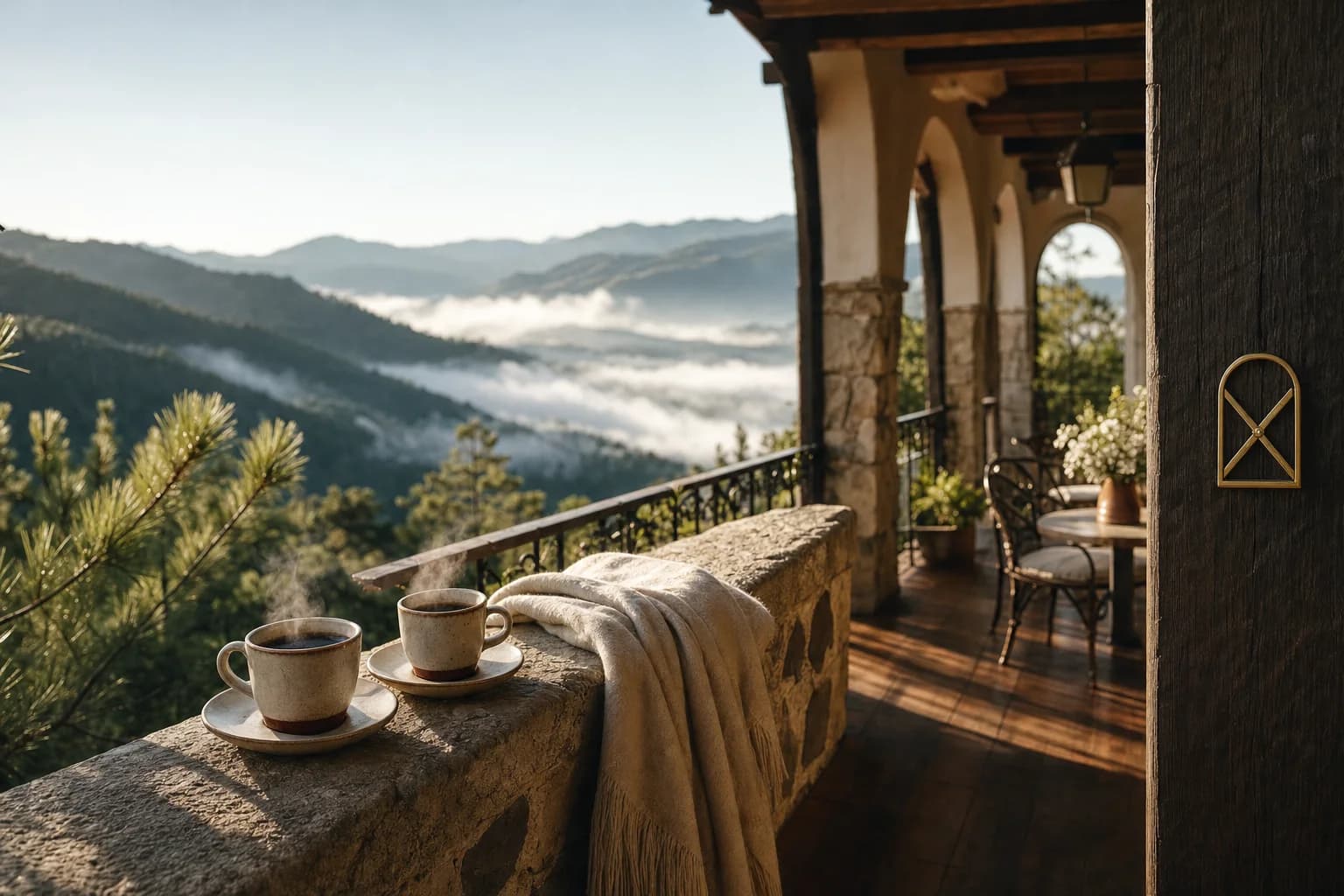
- Evenings drop fast. A terrace that was comfortable in a T-shirt at four can need a jacket by six. Pack layers rather than one heavy coat, plus an extra layer for children and older relatives, who feel the cold first.
The rainy season, honestly
Baguio is one of the wettest cities in the country, and almost all of that rain falls between June and October. Rain here is not a passing afternoon shower; under the habagat it can sit over the mountain for days.
That does not make the wet season a write-off. The pines are at their greenest, rates are at their lowest, and mornings are often clear before the clouds build after lunch. It does mean planning differently:
- Keep your dates flexible, and check PAGASA's bulletins in the days before you travel. A typhoon signal over Benguet is a reason to postpone, not to push through.
- Check the road before you drive up. Kennon Road, the shortest route, is the one most often closed or restricted after heavy rain because of landslides. Marcos Highway is the usual all-weather route, but check the latest advisories either way.
- Put the outdoor parts of the day in the morning, and keep an indoor plan for the afternoon.
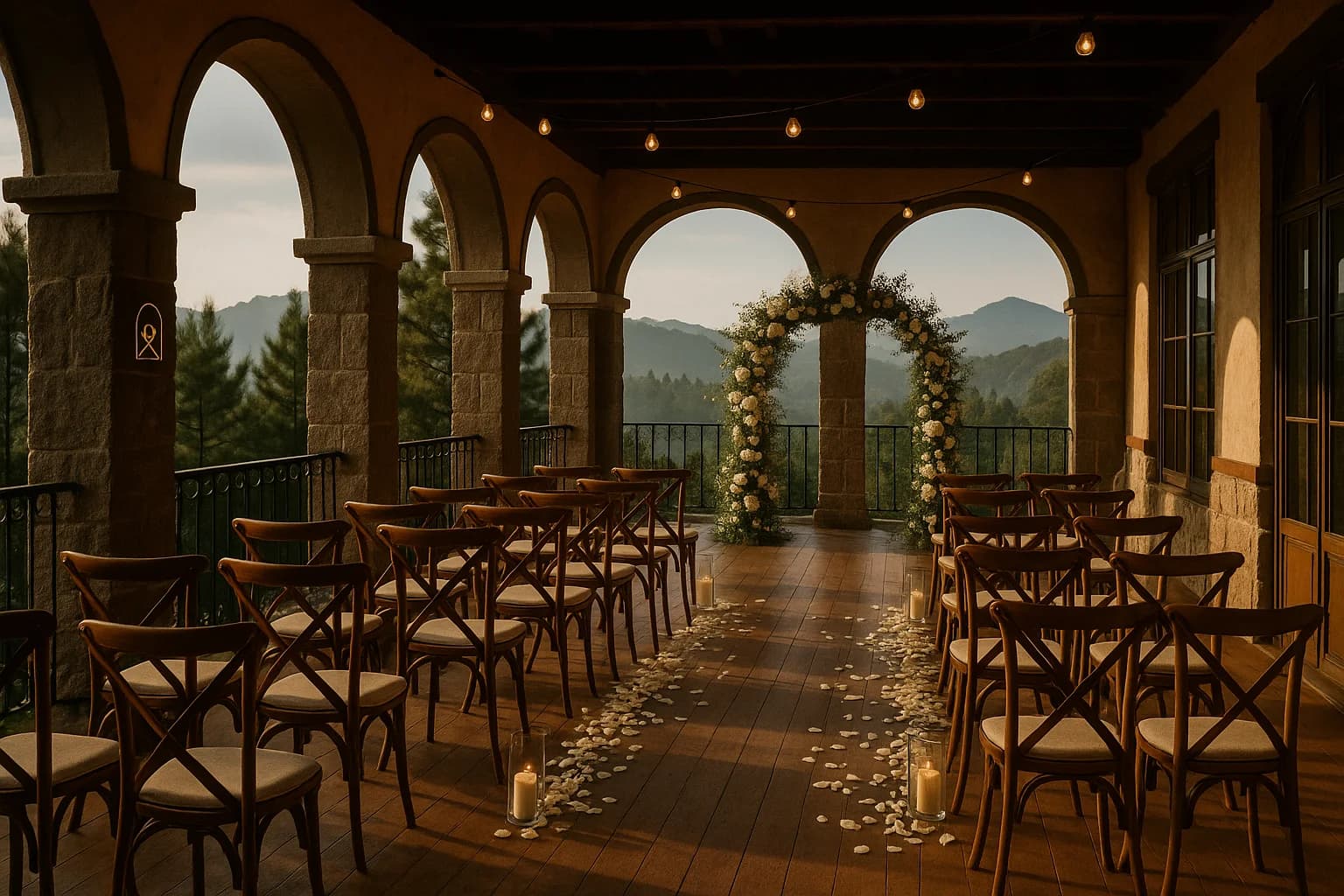
- For an event, insist on a real indoor alternative. The rule our wedding venue guide makes for ceremonies applies to every celebration between June and October.
Three peaks, and every long weekend
Crowds in Baguio follow the calendar more than the weather. The three big peaks:
- December, especially from mid-month through New Year's Day.
- February, through Panagbenga, and most of all on the parade weekends.
- Holy Week, when much of Metro Manila seems to drive up the mountain at once, followed by the rest of the April and May school break.
On top of those, every long weekend fills the city whatever the month, and so do most ordinary weekends in the dry season. Traffic is worst heading up on Friday evenings and heading down on Sunday afternoons; leaving before dawn on both legs is the single best thing you can do for a weekend trip.
One more thing if you are driving: Baguio runs a weekday number-coding scheme that applies to visiting cars as well as local ones. Check the current schedule against your plate number before you set off.
Matching the month to the occasion
- Weddings: the dry months from November to April are the obvious choice, and they book first. The wet season is gentler on the budget if the venue has a strong indoor plan. See choosing a wedding venue in Baguio.
- Proposals and anniversaries: the clear, cold evenings from November to February bring the best sunsets. Avoid the Valentine's and Panagbenga weekends unless you book early. See our proposal guide.
- Family trips and reunions: December and the April school break are when the family is free; November and late January are when the city is easier. Our family itinerary and reunion guide cover both.
- Corporate retreats: weekdays in the quieter months bring better rates, better availability and a calmer city. See holding a corporate retreat in Baguio.
How far ahead to book
| When you are coming | Book rooms and venues |
|---|---|
| Christmas to New Year | Three to six months ahead |
| Panagbenga parade weekends | Two to three months ahead |
| Holy Week | Two to three months ahead |
| Other dry-season weekends | Three to six weeks ahead |
| Weekdays in the wet season | A week or two is often enough |
Where Txaleta fits
The house is built for both of Baguio's moods: an alfresco terrace for the clear, cold months, and a main restaurant, a second floor and a private basement room for when the habagat sets in.
We are five minutes from the city centre on Ambuklao Road — close enough to reach it easily, far enough to stay out of its December and Panagbenga traffic. Parking is free, and five suites upstairs mean nobody has to drive down the mountain on a cold night.
Ask us about your dates, or see our holiday and seasonal programme.
Frequently asked questions
What is the best month to visit Baguio?
For the best balance of weather and crowds, November, the second half of January, and the weeks of March that fall clear of Holy Week. All three sit in the dry season and fall outside the city's big peaks. If you want the festive atmosphere instead, December and February are the months, but book them well ahead.
When is the rainy season in Baguio?
Roughly June to October, with July, August and September usually the wettest months. Baguio is one of the rainiest cities in the Philippines: the southwest monsoon and passing typhoons can bring days of continuous rain, heavy fog and closures on the roads up the mountain. Afternoon thunderstorms can begin as early as May.
What is the coldest month in Baguio?
January, closely followed by December and February. Average night-time lows in those months sit in the low teens Celsius, and on clear, windy nights they can drop toward 10°C or below. Daytime highs stay in the low twenties, so the cold is mostly felt in the early morning and after dark.
When is Baguio most crowded?
December, especially from mid-month through New Year's Day; February during Panagbenga, above all on the parade weekends; and Holy Week, followed by the rest of the April and May school break. Long weekends fill the city in any month, and traffic is heaviest heading up on Friday evenings and heading down on Sunday afternoons.
Is it worth visiting Baguio in the rainy season?
It can be, if your dates are flexible. Crowds and rates are at their lowest, the pines are at their greenest, and mornings are often clear before the clouds build after lunch. Check typhoon bulletins and road advisories before you drive up, and keep an indoor plan for every afternoon.
Written by Txaleta de Baguio · Updated October 2026
Planning something? Tell us about it.
One coordinator, from the first message to the last toast.
Enquire now