Organising a family reunion in Baguio? How to pick a date everyone can make, feed three generations, sort accommodation, and keep the day relaxed.
A wedding has one couple at the centre of it. A reunion has everyone — the grandparents who started the whole clan, the cousins who have not seen each other since the last one, the children meeting their second cousins for the first time. It is harder to plan precisely because nobody is really in charge of it but the whole family is the guest of honour.
Baguio has been the default answer for Filipino clan reunions for generations, for the same reason it works for everything else here: it is far enough to feel like a trip, close enough that nobody has an excuse not to come, and cool enough that everyone wants to be outside together.
Pick a date the way you'd plan a wedding, not a dinner
The single biggest reason reunions fall apart in the planning stage is a date chosen too late, after relatives have already made other plans.
- Announce the date six to twelve months ahead, especially if relatives are flying in from abroad or from other islands. Leave applications and plane tickets need lead time that a WhatsApp group chat in October cannot fix.
- Christmas and New Year gather the most people with the least convincing, because relatives are already travelling home anyway — but they are also the most expensive and hardest weeks to book in Baguio.
- April and Holy Week are the next best window: school is out, the weather is reliable, and venues are a little easier to secure than December.
- A long weekend beats a single day. It gives people travelling from far away a reason to make the trip worthwhile, and gives the reunion itself room to breathe instead of compressing everything into one afternoon.
Get a real headcount, not a guess
Reunions are notorious for "maybe forty, maybe eighty" headcounts that make it almost impossible to book a room with any confidence.
A simple fix that works: a shared form, with a deadline, asking each household to confirm who is coming, how many are children, any dietary needs, and whether they need a room. Family reunions run on group chats and good intentions, and neither one produces a number a venue can plan food and seating around. Set the deadline a month before the date and chase it once.
Feed three generations without three separate meals
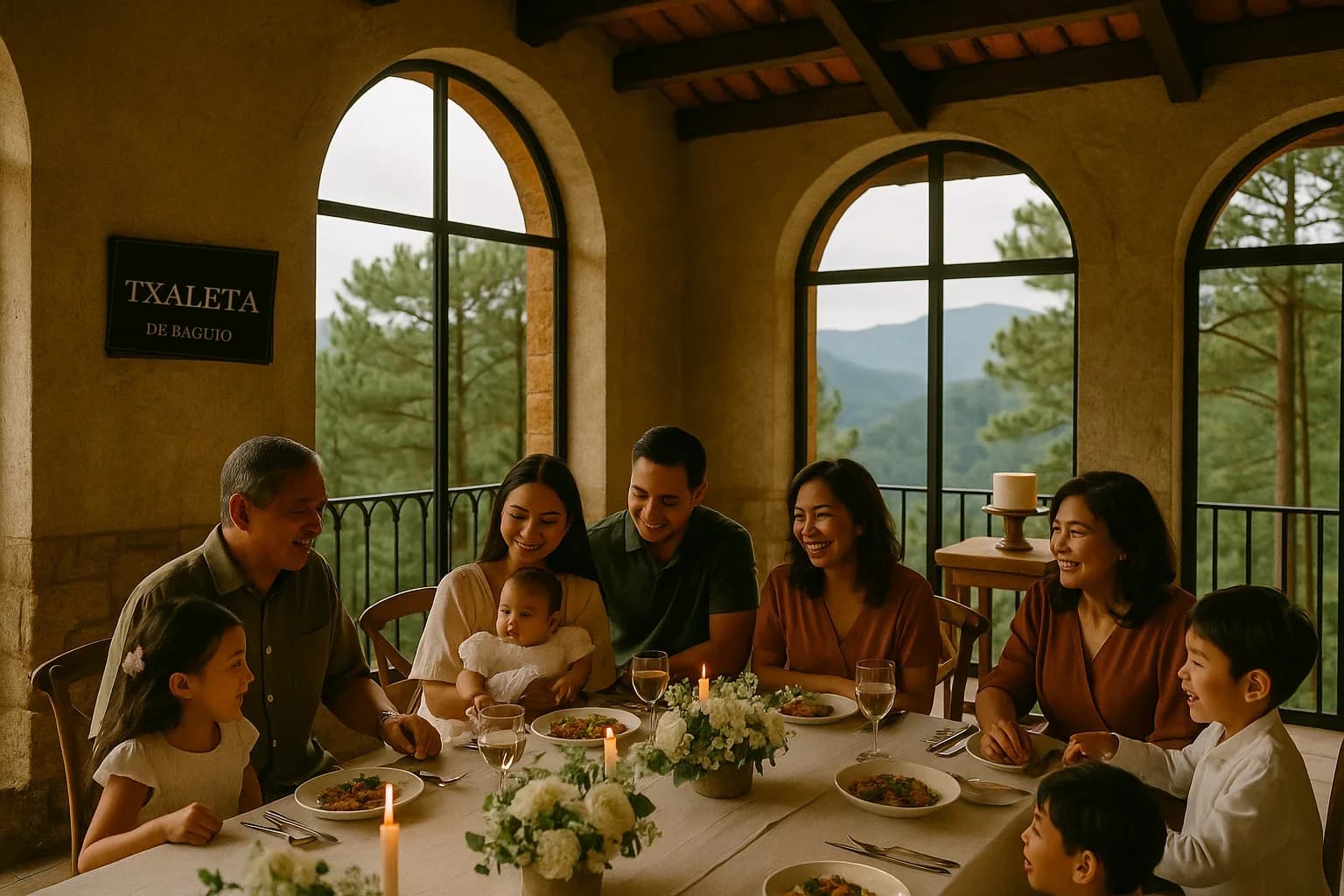
The food at a reunion has to work for a grandmother on a soft diet, a teenager who will eat nothing green, and everyone in between, often across several hours as people arrive at different times.
- A buffet generally beats a set menu for exactly this reason. It lets each generation and each appetite serve itself, and it tolerates a long, rolling arrival better than a timed, plated meal does.
- Ask about a kids' table or a simpler children's selection. It keeps the youngest cousins fed and happy without competing for the same dishes as the adults.
- Confirm the final headcount a week out, the same as any large group booking — reunions are especially prone to late additions once word spreads that "everyone's going."
Work out accommodation by household, not by head
The accommodation question is usually the one that determines whether people actually come.
Count by household, not by person. A family of five commonly needs two rooms, not a dormitory arrangement, and an elderly couple travelling with a caregiver needs ground-floor or lift access considered early, not discovered on arrival. As a rough planning rule, expect a third to half of a large reunion to want overnight rooms, with the rest day-tripping in from nearby relatives' homes or hotels.
If the venue itself cannot house everyone, book a hotel block nearby and the venue separately, and share both bookings in the same message so nobody books only one.
Plan the day loose, not tight
The instinct is to build a programme: speeches, a slideshow, games, a formal group photo at a set time. Some structure helps, but a reunion that is scheduled like a corporate event usually feels stiff by the second hour.
What tends to work better:
- A few fixed anchors — one group photo, before people start drifting, and one shared meal — with everything else left open.
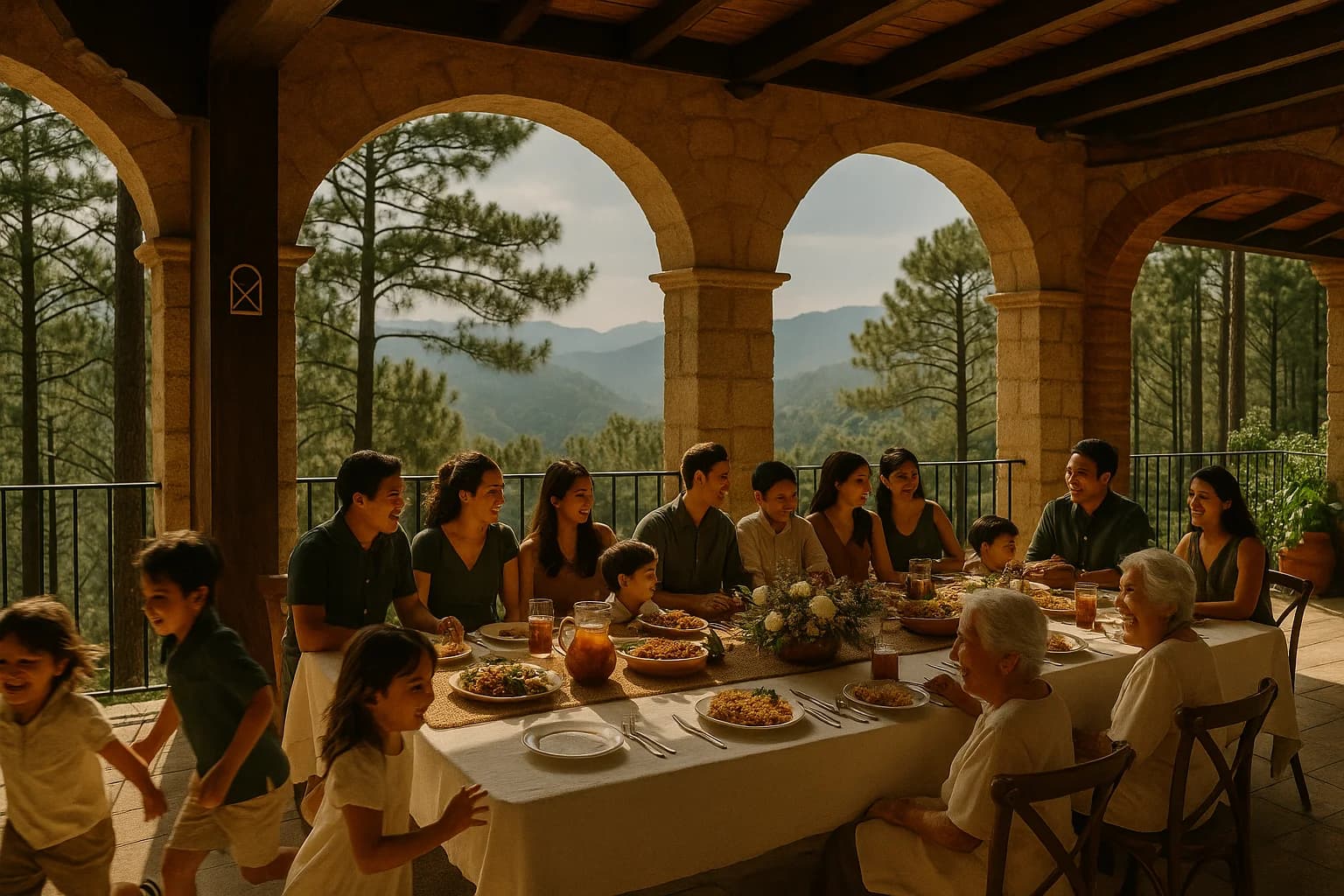
- A long afternoon rather than a tight evening. Reunions benefit from unstructured time: cousins catching up on a terrace, children running around outside, grandparents telling the same stories they tell every year. That is usually the part people remember, not the programme.
- One person assigned to keep time on the fixed anchors only. Nobody needs to run the whole day like a wedding coordinator; somebody just needs to make sure the group photo actually happens before half the family leaves.
Where Txaleta fits
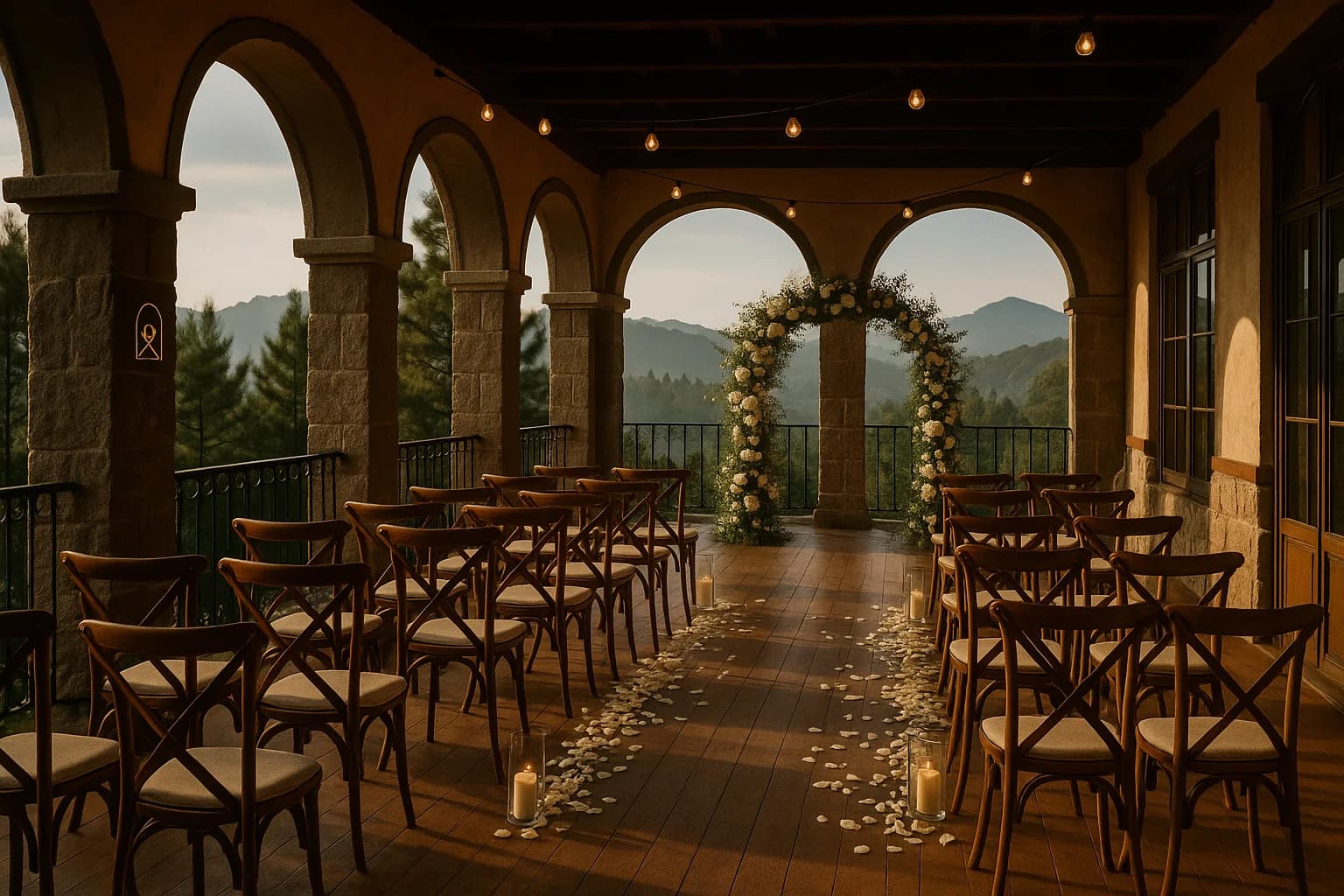
We take reunions from thirty to over a hundred, across the main restaurant, the alfresco terrace or the second floor, depending on size and whether you want indoors, outdoors, or both. Buffet and family-style menus are built for groups, not individual plates, and we can set a simpler children's selection alongside.
Five suites upstairs mean the family can stay together rather than splitting across hotels across town, and we help coordinate a nearby block if the group outgrows what we have on site. Free parking and five minutes from the centre means relatives arriving from different directions all land in the same easy spot.
Tell us the headcount and the dates you're considering, or see everything we do for birthdays & reunions. If grandparents or parents are marking an anniversary the same weekend, our anniversaries page covers that too.
Frequently asked questions
What is the best time of year for a family reunion in Baguio?
Christmas and New Year are when most relatives are already free to travel, but they are also the most expensive and most booked weeks. April, during the school break, and the Holy Week period are close seconds, with easier traffic and better availability if you book a few months ahead.
How do we plan a reunion when the family is scattered across different cities or countries?
Set the date six to twelve months out and announce it early, since flights and leave approvals need lead time for relatives coming from abroad or other islands. A shared online form for headcount and dietary needs, with a deadline, makes the final numbers far more reliable than word of mouth.
How many rooms does a family reunion of fifty people need?
It depends how many choose to stay overnight versus day-trip in, but as a rule of thumb, assume a third to half the group will want rooms, and count by household rather than by head — a family of five commonly needs two rooms, not five beds in one.
Should a family reunion use a set menu or a buffet?
A buffet usually suits a reunion better than a wedding-style set menu, because it lets picky children, elderly relatives with dietary restrictions, and everyone in between serve themselves at their own pace across a long, relaxed afternoon.
How long should a family reunion programme run?
Long and loose rather than tightly scheduled. A reunion that tries to pack speeches, games and a formal programme into two hours usually feels rushed; most families do better with an open afternoon, a few scheduled anchors like a group photo and a meal, and unstructured time in between.
Written by Txaleta de Baguio · Updated October 2026
Planning something? Tell us about it.
One coordinator, from the first message to the last toast.
Enquire now