A three-day Baguio itinerary for families with small children and grandparents: realistic pacing, which stops suit which ages, the cold, and the stairs.
Almost every Filipino family has a Baguio trip in its photo albums: Lola in a borrowed jacket at Mines View, the cousins on horseback at Wright Park, everyone clutching jars of ube jam on the drive home. It is the classic family trip for good reason.
But most Baguio itineraries online are written for groups of friends — ten stops a day, up at dawn, out until midnight. Travel with a four-year-old and a seventy-five-year-old and that plan falls apart by lunchtime on the first day. This is the slower version, built around the two people in the car who tire first.
Three things that shape the whole trip
The road. The last hour up to Baguio winds, whichever route you take, and it is where children — and plenty of adults — get carsick. Stop for a proper break at the foot of the mountain, keep the meal before the climb light, and give anyone prone to motion sickness a window seat. Leave Manila before dawn: four to six hours on a clear road can be eight on a Friday afternoon.
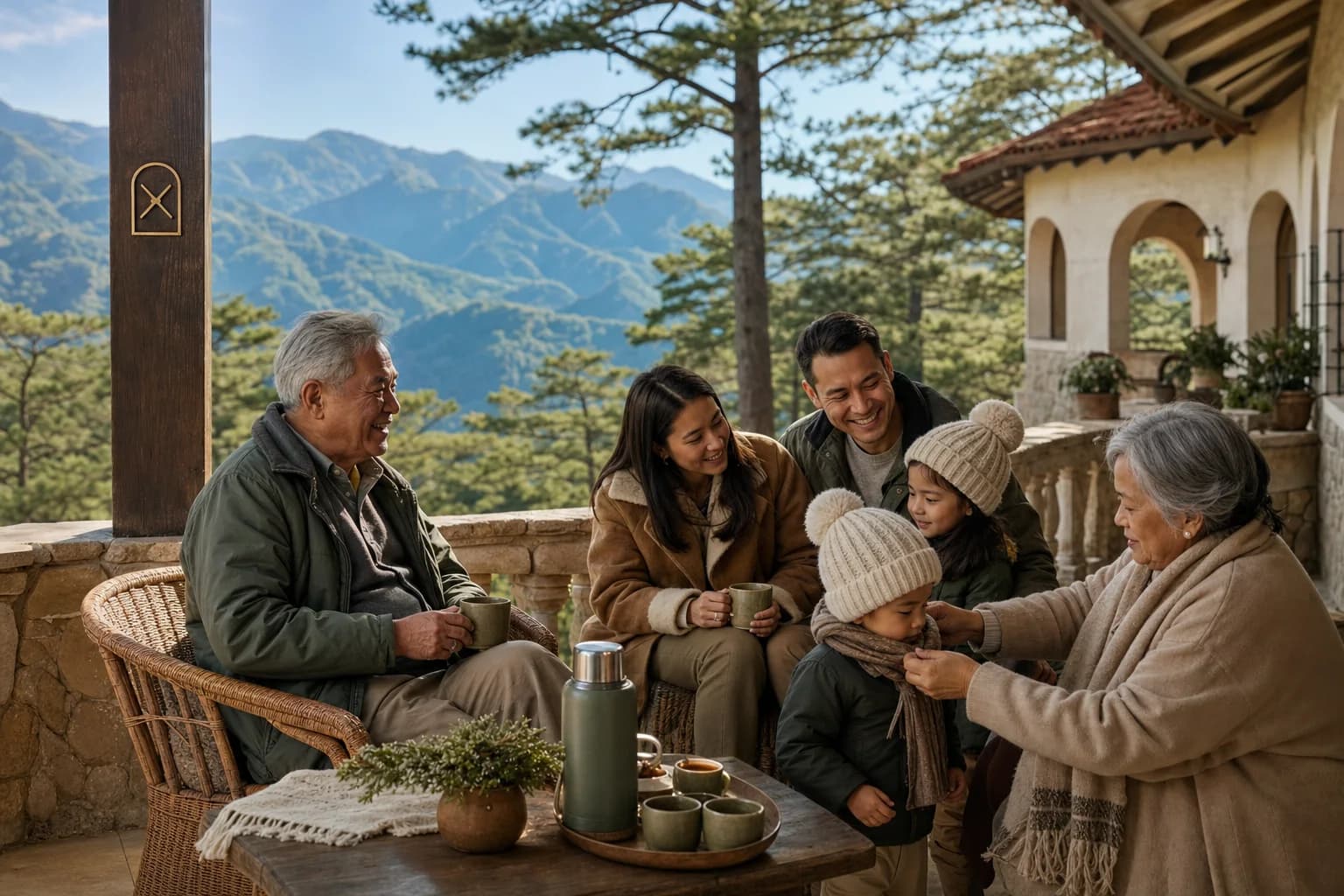
The cold. Baguio is markedly cooler than the lowlands, and evenings drop fast. Pack layers, warm hats for the smallest and the oldest, and assume your room will not have heating — most in Baguio do not.
The hills. Baguio is built on slopes and stairs. Pavements are narrow, many sights are reached by steps, and a ten-minute walk on the map can be a steep climb in real life. A baby carrier beats a stroller for most of the trip, and for grandparents with limited mobility, a car and a patient driver beat walking between stops.
A note on altitude: at about 1,500 metres, Baguio is well below the height where altitude sickness is normally a concern, though some people find themselves out of breath on stairs. Anyone with a heart or lung condition should check with their doctor before the trip.
The pacing rule: one outing a morning, one easy afternoon
The single most useful rule for a family trip to Baguio: plan one real outing per half-day, not three.
Mornings are the best part of the day here. The skies are clearest, the popular viewpoints have not yet filled with tour groups, and children and grandparents both have the most energy. By early afternoon the crowds build, small children need a nap, and in the rainy season the clouds roll in.
Use the morning for the outing, a long lunch as the reset, and the afternoon for something close and easy — or nothing at all. Be back indoors when the cold comes in after sunset.
Day one: arrive and settle in
- Leave Manila early, ideally before 5 a.m., and aim to arrive in time for lunch.
- Check in and rest. After a long drive, the best thing for everyone is an hour off their feet.
- Late afternoon: Burnham Park. Flat, central and made for exactly this group: rowboats on the lake, bicycles to rent in children's sizes, and plenty of benches for the grandparents. It is easy with a stroller and easy to leave when someone is tired.
- An early dinner, and an early night. Day two starts early.
Day two: the classic loop
This is the day of the famous photo stops. The trick is to reach them before everyone else does.
- Early morning: Mines View Park. The view over the Benguet mountains is the one in every family album. Go early, before the tour buses arrive mid-morning. There are stairs down to the viewing deck; grandparents who would rather skip them can wait at the top.
- Good Shepherd Convent, a short drive away, for the ube jam, strawberry jam and peanut brittle that everyone at home will ask about. The queue grows through the day.
- Wright Park, where children can ride a pony around the riding circle with a handler. Up the steps at the far end of the park, the long reflecting pool known as the Pool of Pines faces the gates of The Mansion, the President's official summer residence.
- A long lunch, then rest.
- Afternoon: Camp John Hay, the old American rest camp turned pine park. The paved paths around the Historical Core are gentle enough for grandparents and strollers, the tongue-in-cheek Cemetery of Negativism amuses older children, and those old enough can try the Tree Top Adventure canopy rides (check the age and height limits first).
Day three: pick one, then head home
On the last day, choose one of these rather than trying to fit in all three, then give yourselves a long lunch before the drive down.
- Strawberry picking in La Trinidad. The strawberry farm in the neighbouring town is a short drive from the city and a favourite with small children. The picking season runs roughly from November to May; check before you go, and expect mud after rain.
- BenCab Museum. On Asin Road, about half an hour from the centre, the museum of National Artist Benedicto Cabrera combines galleries, gardens and a café with a valley view. It suits art-loving grandparents and calmer children, though there are stairs between the levels. Check its opening days before you go.
- Tam-awan Village, a reconstructed village of traditional Cordillera houses with resident artists. School-age children love it, but the paths are steep and uneven; it is not one for grandparents with limited mobility.
Pick up any last pasalubong on the way out, and leave either by early afternoon or after dinner. Mid-afternoon on a Sunday is when everyone else heads down the mountain.
Which stops suit which ages
| Stop | Toddlers | School-age children | Grandparents |
|---|---|---|---|
| Burnham Park | Flat and stroller-friendly | Bikes and boats | Flat, with benches |
| Mines View Park | In a carrier | Easy | Stairs to the viewing deck |
| Wright Park | Pony rides with a handler | Pony rides | Steps up to the Pool of Pines |
| Camp John Hay | Paved paths | Canopy rides and trails | Gentle paths |
| Lourdes Grotto | In a carrier | A good climb | 252 steps — best skipped |
| Strawberry farm, La Trinidad | Easy when dry | A favourite | Flat, but sunny and muddy |
| BenCab Museum | Gardens only | Older children | Stairs between levels |
| Tam-awan Village | Hard going | Fascinating | Steep and uneven |
| Baguio Public Market | Not with a stroller | Hold hands | Crowded, uneven floors |
Where to stay: one roof beats three hotels
With three generations, where you stay matters more than what you see. A few things are worth checking before you book:
- Rooms by household. A family of five usually needs two rooms, not one, and an older couple travelling with a caregiver needs a room close to the entrance or a lift. The logic of our family reunion guide applies just as well to a trip of eight.
- Hot water and proper blankets. Non-negotiable from November to February.
- Parking on site. Parking in central Baguio is scarce, and a car you can reach easily makes every outing simpler.
- A little distance from the centre. Close enough for quick trips into town, far enough for a quiet night.
When to go
For a family trip, the dry months from November to April are the obvious choice. November and the second half of January bring clear weather without the crowds; December and the April–May school break are when everyone is free, and when the city is at its busiest. If your trip lands in February, read our Panagbenga guide first. For the full picture, see the best time to visit Baguio.
Where Txaleta fits
We are five minutes from the city centre on Ambuklao Road, with free parking — an easy base for every stop on this list, and a quiet place to come back to.
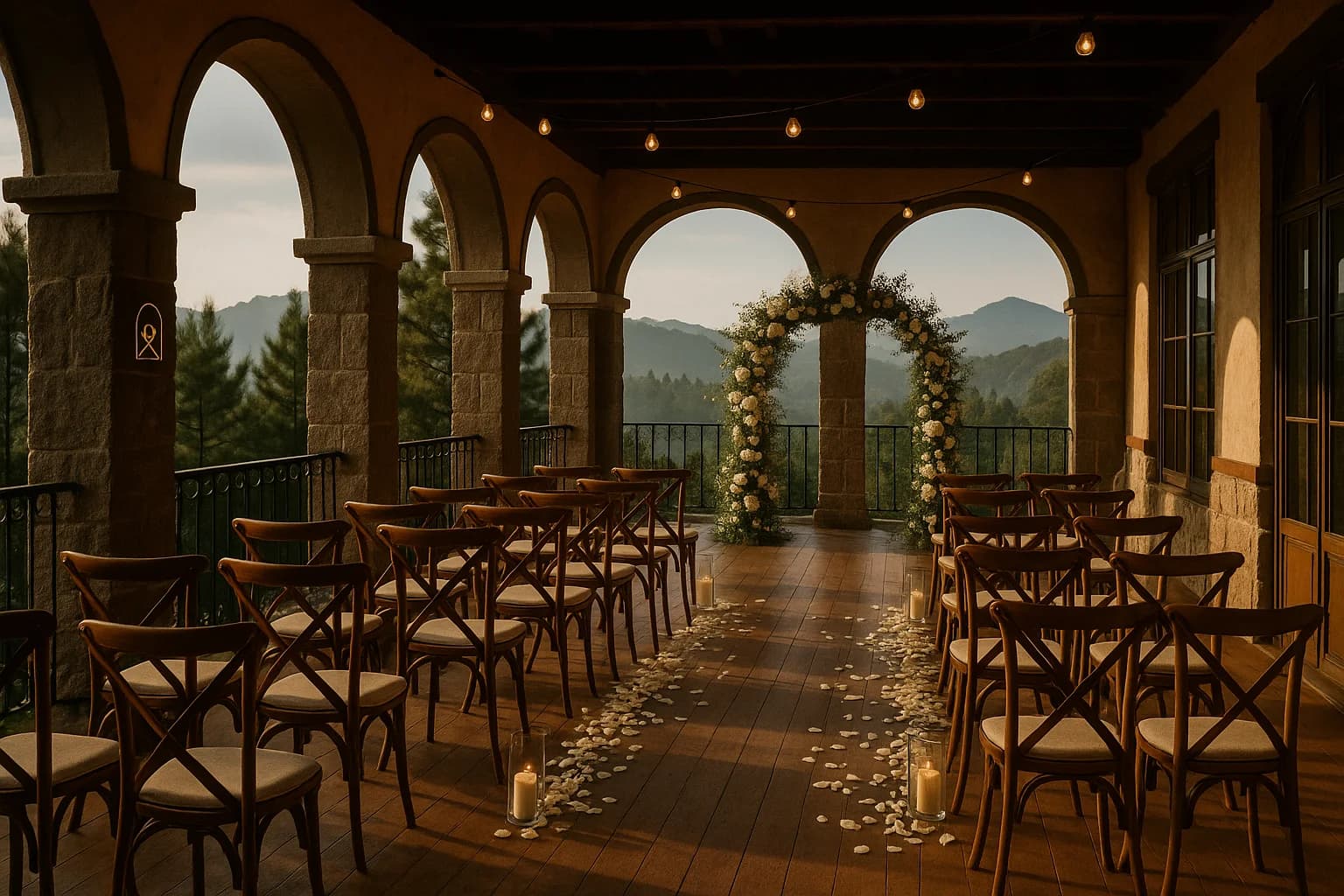
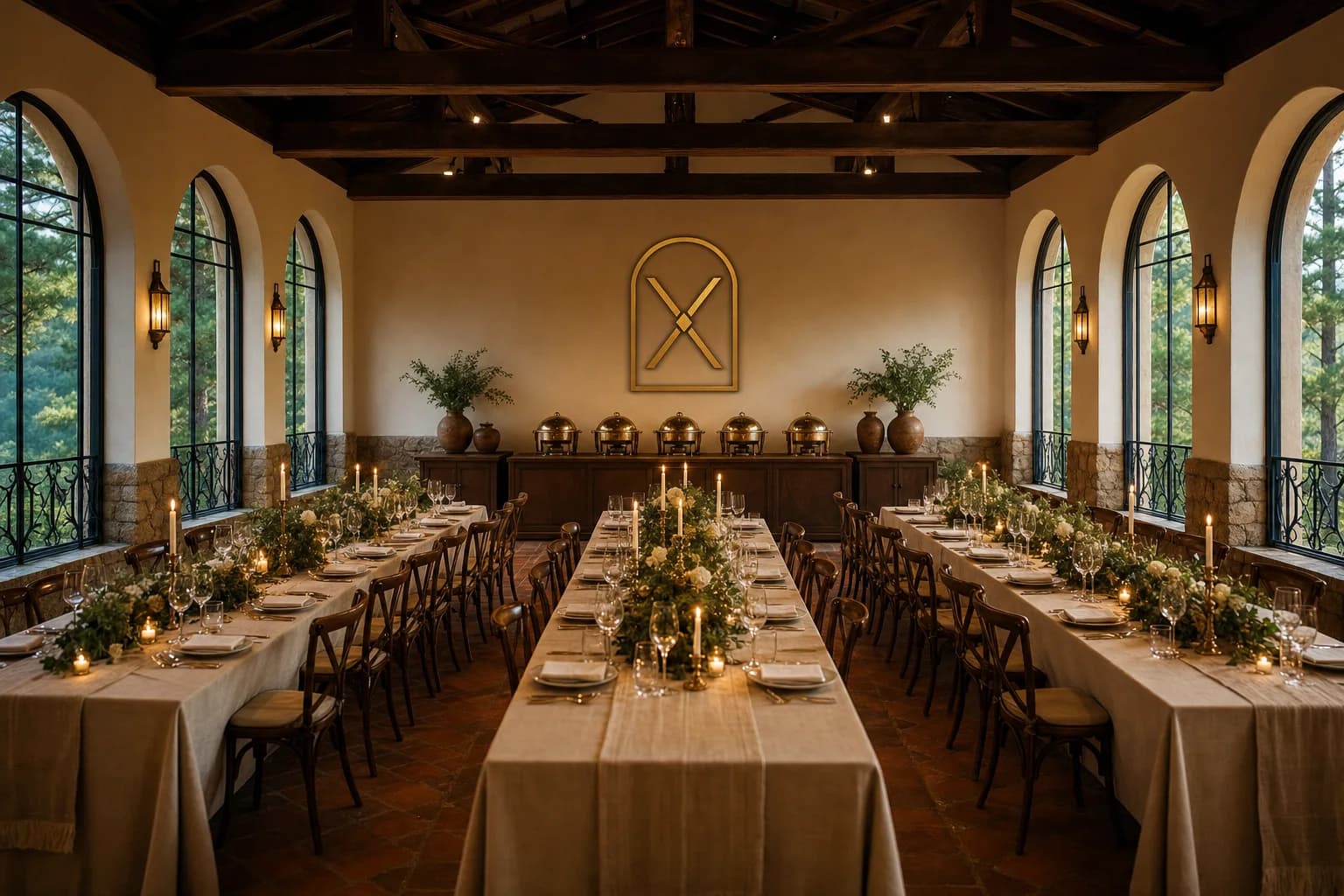
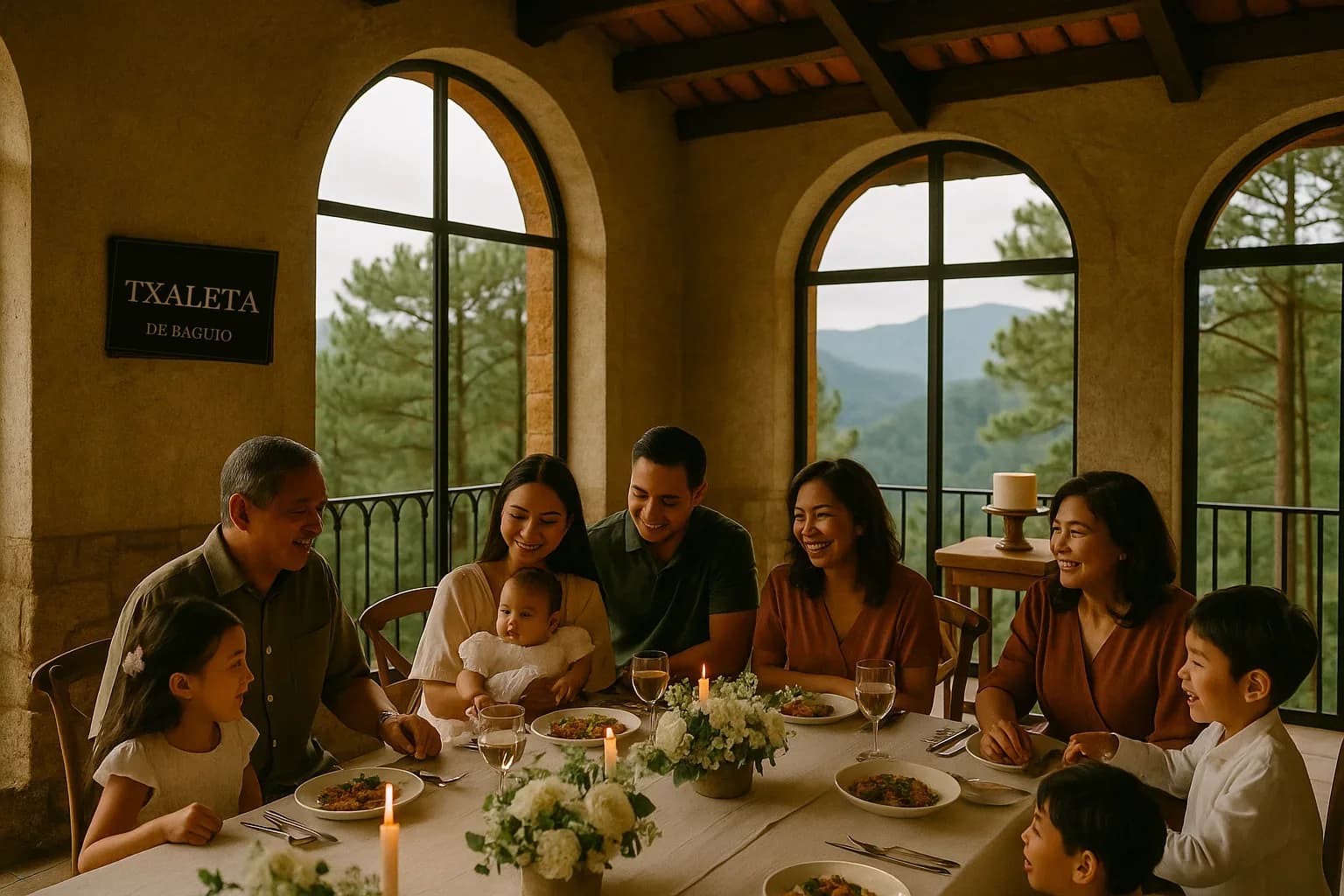
Our five suites include two family rooms and a larger group room, so three generations can stay under one roof. The kitchen cooks for the whole table: paellas and family sharing dishes, Filipino comfort food alongside Spanish, Italian and Japanese favourites, and gelato made in-house for whoever finished their vegetables.
If the trip is also a celebration — a grandparent's birthday, an anniversary, a reunion — see our birthdays and reunions page, or tell us your dates and how many are coming.
Frequently asked questions
How many days do you need in Baguio with kids and grandparents?
Three days is a comfortable minimum: one for the drive up and settling in, one for the classic sights, and one for a single bigger outing and the trip home. Two days is possible, but with small children and older relatives much of it ends up spent in the car.
Is Baguio's altitude a problem for elderly travellers?
For most people, no. At around 1,500 metres, Baguio is well below the height at which altitude sickness usually becomes a concern, although some visitors find they get out of breath more quickly on stairs. Anyone with a heart or lung condition should check with their doctor before the trip, and everyone should plan for the cold and the hills.
Is Baguio stroller-friendly?
Only in places. Burnham Park and the paved paths of Camp John Hay are easy with a stroller, but much of the city is steep, pavements are narrow and uneven, and many sights involve stairs. A baby carrier is more practical for most of a Baguio trip, with a light stroller kept for the flat parks.
What should we pack for a family trip to Baguio?
Layers rather than one heavy coat, warm hats for small children and grandparents, shoes with good grip for slopes and wet steps, an umbrella in any month, and motion-sickness remedies for the winding drive up. Nights from December to February can drop into the low teens Celsius, and many rooms in Baguio have no heating.
What is the best way to get from Manila to Baguio with a family?
Driving gives you the most control over stops and timing, and usually takes four to six hours via NLEX, SCTEX and TPLEX, then up Marcos Highway or Kennon Road. Leaving before dawn avoids most of the traffic. Buses from Manila are frequent and comfortable, but a private car makes it far easier to stop for a child or an older relative along the way.
Written by Txaleta de Baguio · Updated October 2026
Planning something? Tell us about it.
One coordinator, from the first message to the last toast.
Enquire now