What to wear in Baguio each month, based on PAGASA's official 1991–2020 climate normals: average highs and lows, rainy days, and a packing list by season.
"Bring a jacket" is the advice everyone gives about Baguio. It is true, but not much help when you are packing for a December wedding, an April family trip or a wet weekend in August. This guide uses the official climate normals from PAGASA, the national weather agency, to answer the question properly: how warm, how cold and how wet Baguio really is, month by month, and what to pack for it.
The short answer
- Baguio is cool all year. Its average daily mean is 19.5°C, roughly eight to nine degrees cooler than Metro Manila.
- Days are mild, nights are cold. Average highs stay between 22.3°C and 25.5°C in every month; average lows fall to 13–14°C from December to February.
- Pack layers, not a winter coat: a long-sleeved base, a warm fleece or light padded jacket, and a scarf and beanie from December to February.
- From May to October, rain gear matters more than warmth. Over 90% of Baguio's annual rain falls in those six months.
Baguio's climate, month by month
| Month | Average high | Average low | Rainfall | Rainy days |
|---|---|---|---|---|
| January | 23.1°C | 13.0°C | 16.4 mm | 3 |
| February | 23.7°C | 13.4°C | 23.7 mm | 3 |
| March | 24.8°C | 14.5°C | 50.5 mm | 5 |
| April | 25.5°C | 15.9°C | 99.5 mm | 8 |
| May | 24.7°C | 16.4°C | 340.0 mm | 18 |
| June | 24.3°C | 16.5°C | 406.1 mm | 19 |
| July | 23.1°C | 16.2°C | 772.7 mm | 24 |
| August | 22.3°C | 16.2°C | 963.2 mm | 25 |
| September | 23.0°C | 16.1°C | 537.3 mm | 22 |
| October | 23.6°C | 15.6°C | 477.3 mm | 13 |
| November | 23.9°C | 15.1°C | 96.1 mm | 7 |
| December | 23.5°C | 14.1°C | 41.6 mm | 5 |
| Year | 23.8°C | 15.2°C | 3,824.4 mm | 152 |
Source: PAGASA climatological normals, 1991–2020, Baguio City station, elevation 1,510 metres.
Three things stand out in the numbers:
- The temperature hardly changes through the year; the rain changes enormously. The mean temperature of the warmest month, April, is only 2.6°C above that of the coolest, January. August, meanwhile, brings almost sixty times as much rain as January.
- The cold comes at night. In January the average high and low are ten degrees apart. That is why a day that starts in a jacket can be T-shirt weather by lunch and need the jacket again by six.
- It is damp. Average relative humidity sits between 84% and 93% all year, and damp cold feels colder than the thermometer suggests.
The extremes are worth knowing too. The coldest temperature ever recorded at the Baguio station is 6.3°C, on 18 January 1961; the hottest, 30.4°C on 15 March 1988.
What to pack, season by season
November to February: cool and dry
The coldest and clearest months. Days are pleasant and often sunny; nights fall to the low teens, and below 10°C in a cold snap.
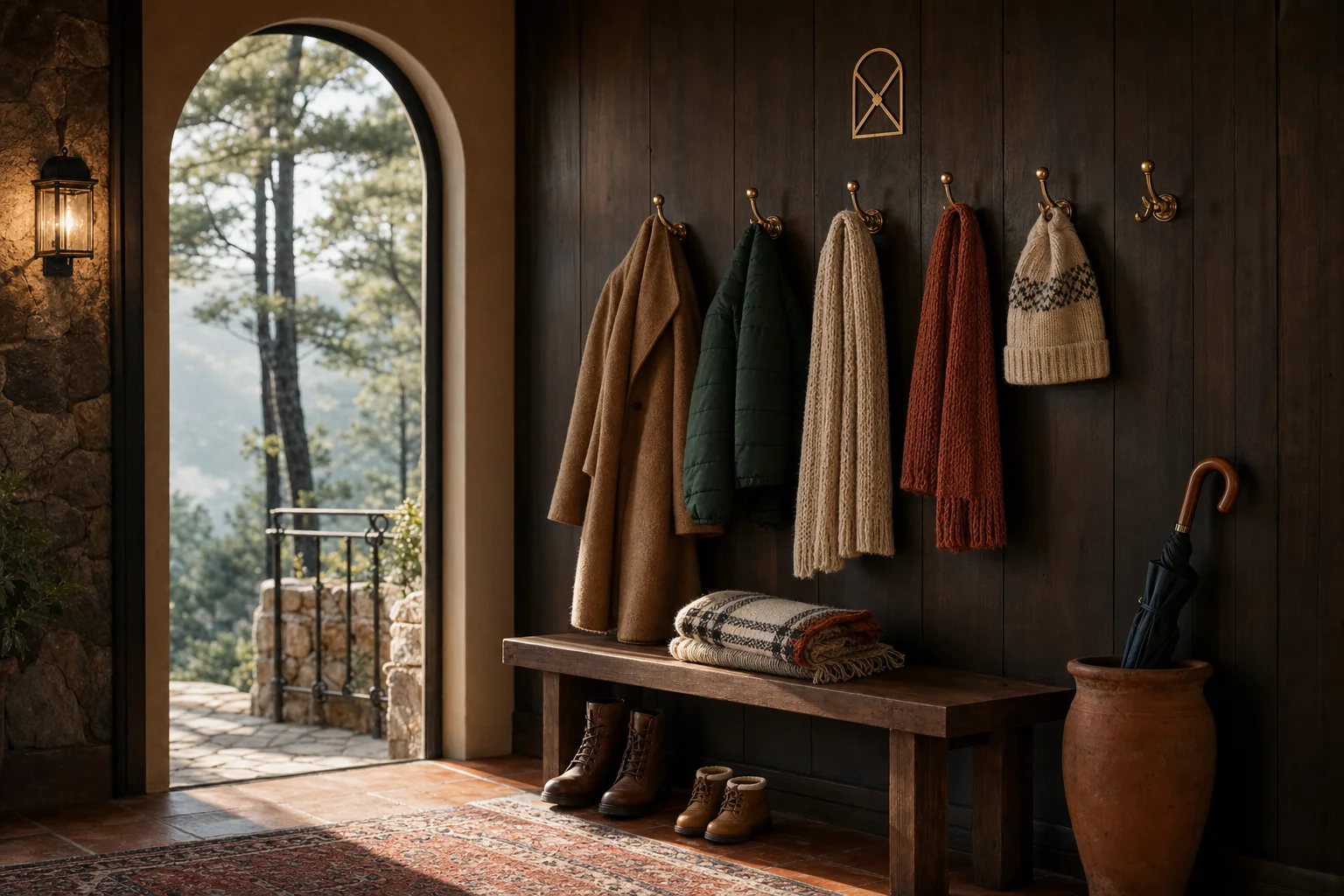
- A warm fleece or light padded jacket
- Long-sleeved tops to layer underneath
- Long trousers or jeans
- A scarf and beanie, and gloves for small children and older relatives
- Warm socks and closed shoes
- Something warm to sleep in — many rooms in Baguio have no heating
- A compact umbrella, just in case
March to May: the warmest months
Baguio's summer brings the warmest days of the year, still cool by lowland standards, with nights in the mid-teens. Afternoon thunderstorms build from late April, and May averages 18 rainy days.
- T-shirts and light long sleeves for the day
- A light jacket or cardigan for the evening
- Sunscreen and a hat — at 1,500 metres the sun is stronger than the cool air suggests
- An umbrella from late April
June to October: the wet season
Rain falls on most days from June to September, sometimes for days on end, and fog is common. Temperatures stay mild, but wet clothes and damp air make it feel colder.
- A proper waterproof jacket, not just an umbrella — mountain wind makes umbrellas useless
- Quick-drying clothes, and more changes than you think you need
- Waterproof or quick-drying shoes with good grip, plus a dry pair for the evening
- A warm layer for the evenings
- A dry bag or plastic bags for phones, electronics and documents
Shoes matter more than coats
Baguio is built on slopes and stairs, and in the wet months the steps are slick. Whatever the season, pack comfortable closed shoes with real grip. Smooth soles and high heels belong indoors; they do not mix with stone paths, wet grass and steep driveways.
Dressing for a wedding, a debut or a dinner
Events are where Baguio's evenings catch people out: the ceremony is at four in the sunshine, and the reception runs past ten in the cold.
- Women: a wrap, shawl, pashmina or tailored jacket that works with the outfit — not a hoodie over a gown. Block heels or wedges rather than stilettos for outdoor venues and stone paths.
- Men: a thin long-sleeved undershirt under a barong is the local trick, and a suit jacket is rarely too warm after dark.
- Children: a warm layer and a spare set of clothes.
- Older guests: a seat indoors for the late part of the evening, and a blanket in the car for the drive.
If you are hosting the event, our guides to wedding venues and function rooms cover the weather plan from the host's side.
Forgot something?
Baguio is the easiest city in the country to fix a packing mistake. Its ukay-ukay — secondhand clothing stalls — sell jackets, sweaters and boots for a fraction of the price of new ones, including at the evening night market on Harrison Road, beside Burnham Park.
Where Txaleta fits
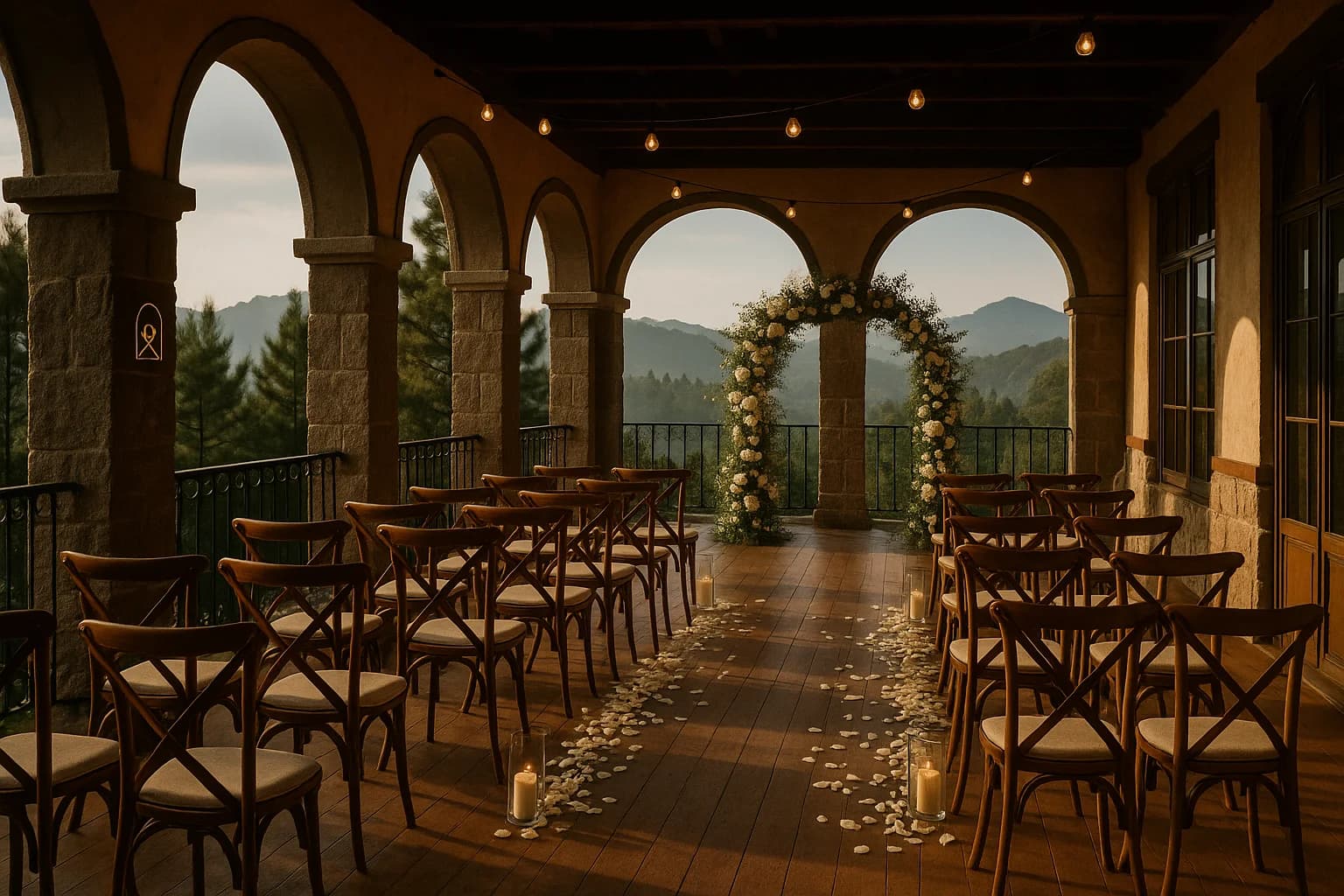
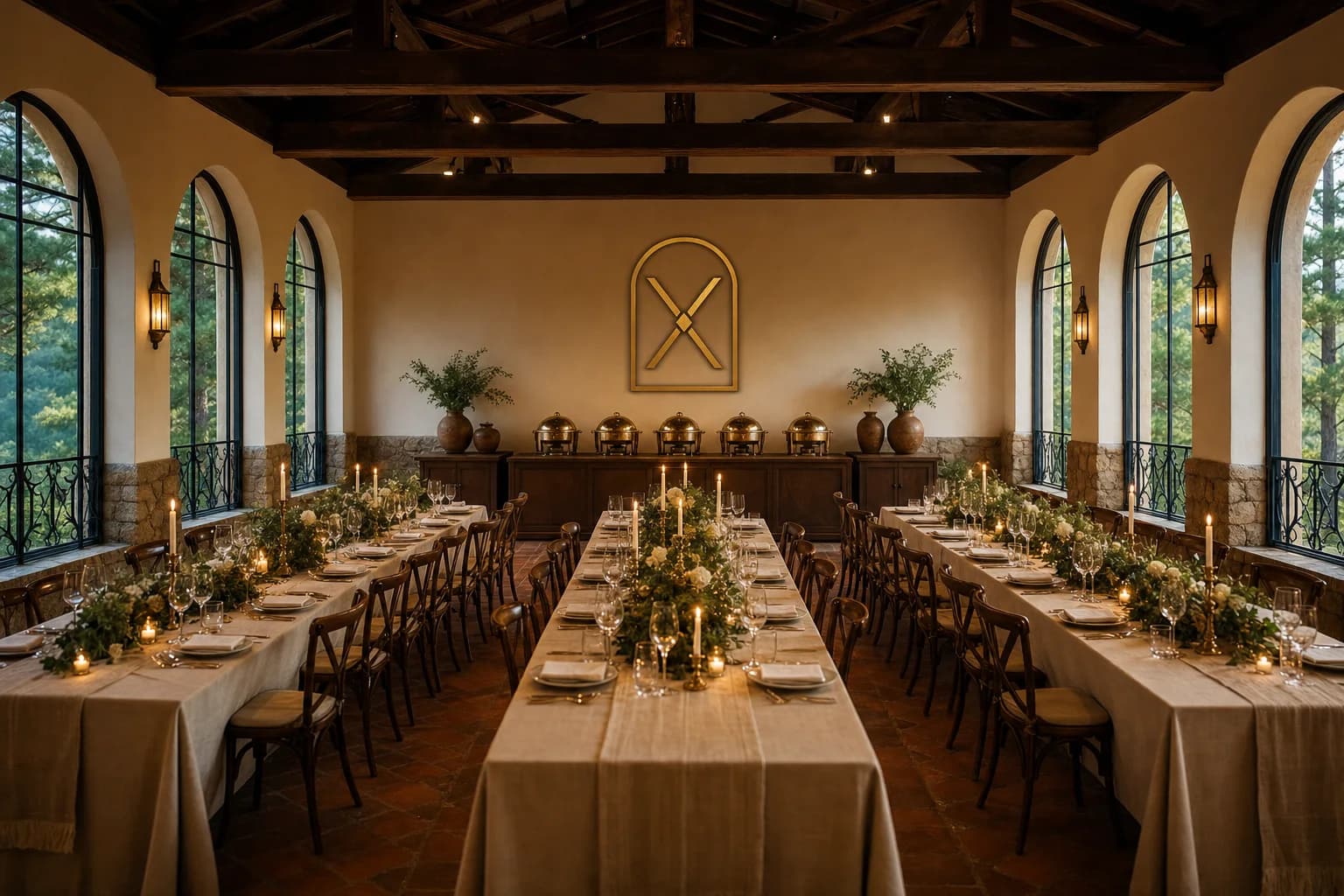
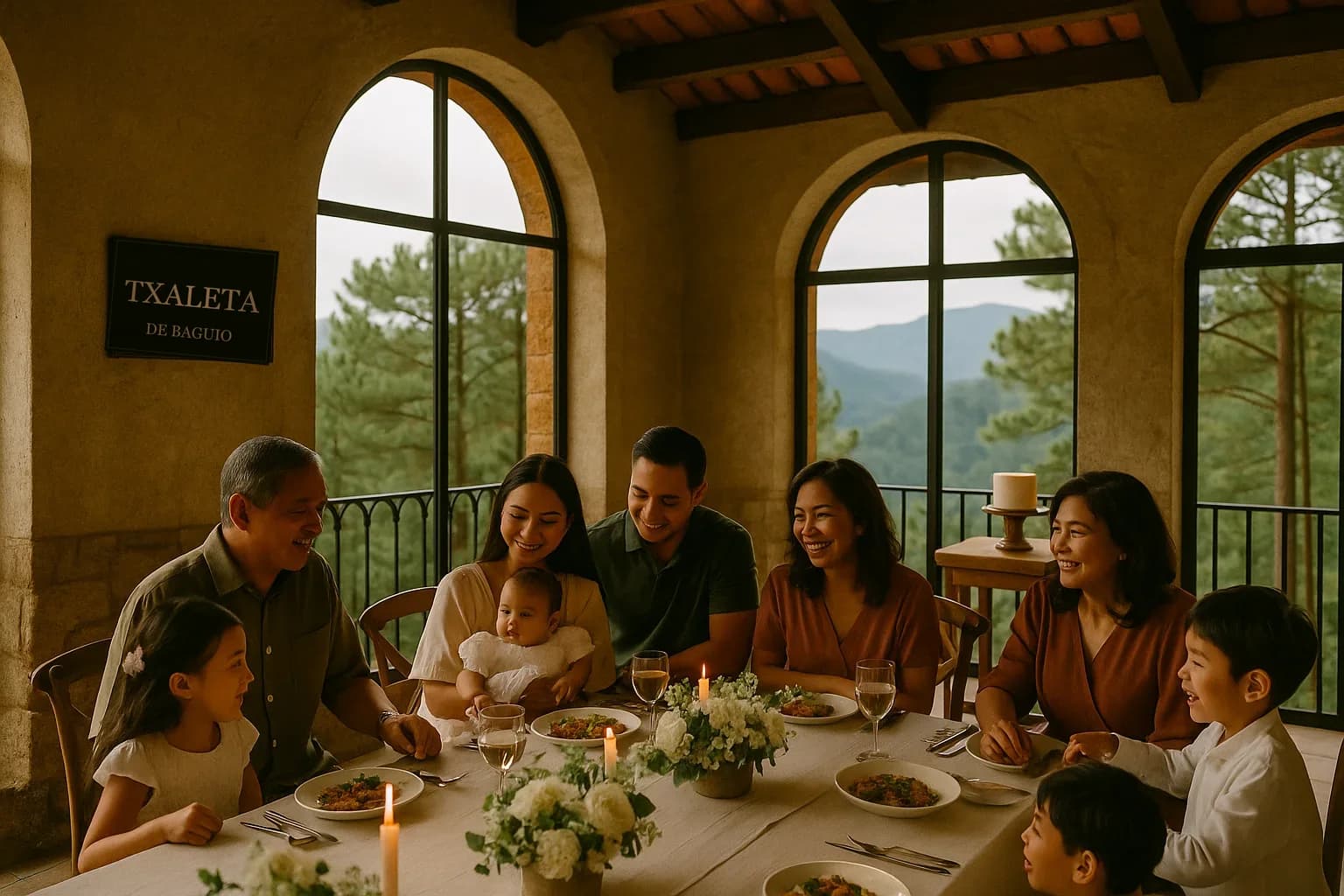
The house is built for both kinds of Baguio day: the main restaurant, the second floor and the private basement room for cold and wet evenings, and the alfresco terrace for clear ones. Five suites upstairs mean nobody drives down the mountain in a party outfit at midnight.
Plan your visit, or see the best time to visit Baguio for crowds and events through the year.
Sources
- PAGASA climate data: climatological normals 1991–2020 and climatological extremes (as of 2024), Baguio City station.
Frequently asked questions
How cold does Baguio get?
According to PAGASA's 1991–2020 climate normals, Baguio's average low is 13.0°C in January, 13.4°C in February and 14.1°C in December, its three coldest months. Cold snaps go lower: the lowest temperature ever recorded at the Baguio station is 6.3°C, on 18 January 1961. Average daytime highs stay between 22.3°C and 25.5°C all year.
What should I wear in Baguio in December?
Layers. December averages a high of 23.5°C and a low of 14.1°C (PAGASA, 1991–2020), so a T-shirt can be fine at midday while evenings need a warm jacket, a scarf and closed shoes. It is one of the driest months, averaging 41.6 mm of rain over five rainy days, but a compact umbrella is still worth packing.
Do I need a winter coat for Baguio?
No. A heavy winter parka is more than Baguio needs. A warm fleece or light padded jacket over a long-sleeved layer is enough for most nights, with a scarf and beanie for the coldest mornings from December to February — especially for children and older relatives, who feel the cold first.
What is the rainiest month in Baguio?
August, with an average of 963.2 mm of rain over 25 rainy days, followed by July (772.7 mm) and September (537.3 mm), according to PAGASA's 1991–2020 normals. Baguio averages 3,824.4 mm of rain a year, and over 90% of it falls between May and October.
What should guests wear to a wedding or event in Baguio?
Dress for the hour, not just the dress code. Evening receptions from November to February can drop into the low teens Celsius, so add a wrap, shawl or tailored jacket, or a thin layer under a barong. Choose shoes that can handle stone paths, slopes and wet grass, and keep a warm layer in the car for outdoor ceremonies.
Written by Txaleta de Baguio · Updated November 2026
Planning something? Tell us about it.
One coordinator, from the first message to the last toast.
Enquire now